
For schools
Individualized Education Plan
The Individualized Education Plan, known as the PEI, is a pedagogical tool that aims to make teaching and learning as effective as possible for students with disabilities, global developmental disorders and giftedness, with an individual focus on each case.
By Renata OliveiraSeptember 23, 20242 min read
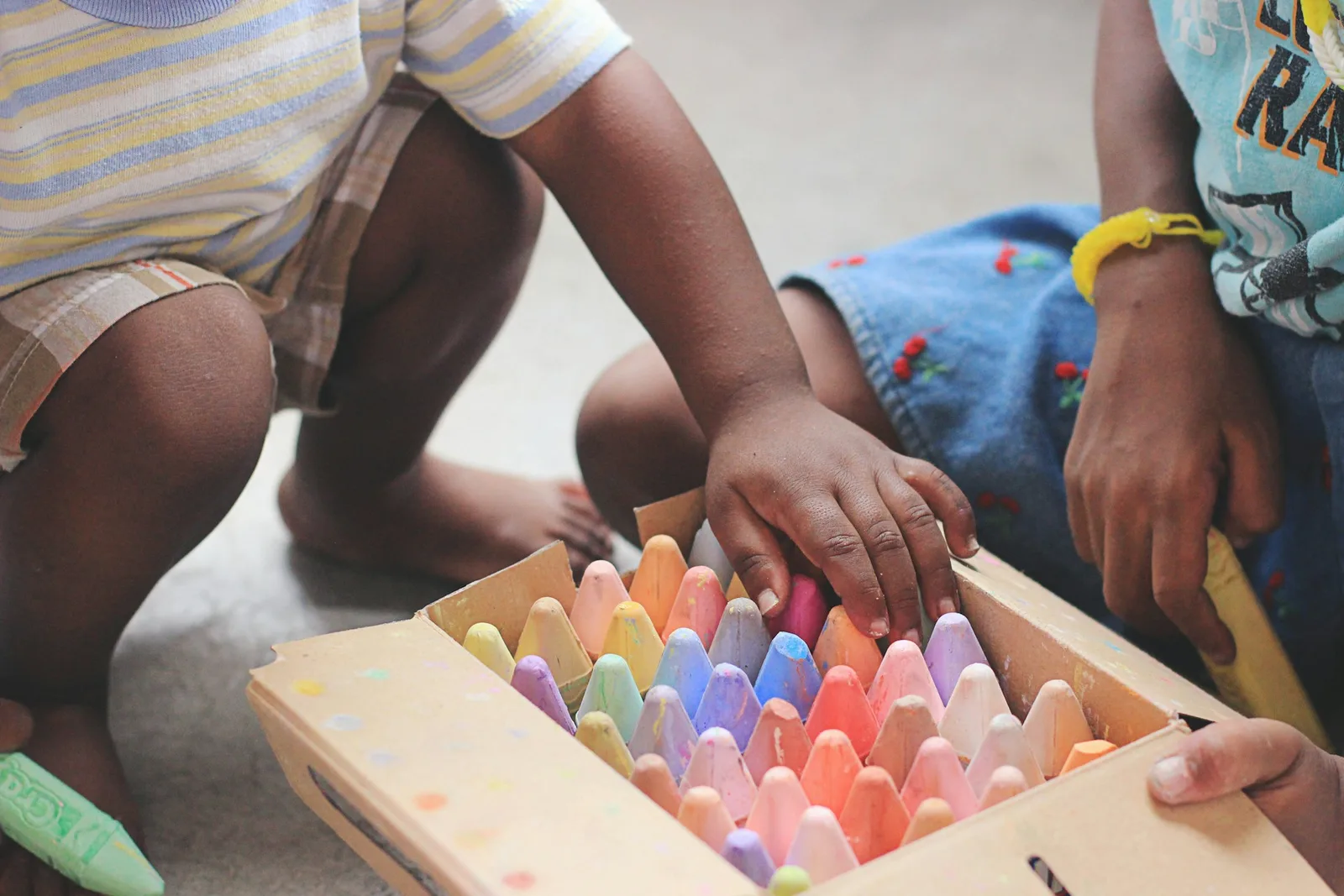
The Individualized Education Plan, known as the PEI, is a pedagogical tool that aims to make teaching and learning as effective as possible for students with disabilities, global developmental disorders and giftedness, with an individual focus on each case. The method is built collaboratively, bringing together the classroom teacher, the pedagogical coordinator, parents, family and the professionals who follow the child at school.
In general terms, there are three levels of building a PEI:
I: the teacher's observation of what the student educationally requires;
II: assessment of the areas of knowledge the student finds hardest and easiest;
III: intervention, applying the actions defined together for the student.
Reflection
To make the individualized education plan a route of access to the mainstream curriculum for a child with a disability, four basic questions have to be answered. They are:
What to teach?: The priorities to be taught to the student have to be listed.
How to teach?: Define the best strategy, method or materials that can make understanding easier for the student.
Under what conditions?: This is the moment to prepare the environment the child will be in, defining whether the activity will be done alone or in a group, the time, the physical space and other limiting factors.
Why teach?: Plan the objectives to be reached over time by teaching a given topic
It is important that these questions are reflected on and answered for every PEI produced, so the professional achieves more effective, more real results given the case being worked on.
Building the PEI
When building the individualized education plan, the professional should follow four stages. The first is getting to know the student, drawing a profile of their abilities and what they require. In the second, set the goals to be reached as the PEI is developed and applied.
Producing the schedule is the third stage. In it, the dates and tasks to be carried out with the student are defined. Finally, the fourth stage is assessment, which happens through an evaluative record showing whether the results were the intended ones or not.
Inclusion
Care and attention to accessibility in education is guaranteed by law in Brazil. The LBI, Brazil's disability rights law (also known as the Statute of the Person with a Disability), came into force in 2016 and guarantees that the rights of people with disabilities are respected.
One of its main articles, article 27, states that:
“Education is a right of the person with a disability, with an inclusive education system guaranteed at all levels along with lifelong learning, so as to reach the fullest possible development of their talents and their physical, sensory, intellectual and social abilities, according to their characteristics, interests and learning requirements.”
Vínculoo®
Vínculoo® is a digital platform for inclusive special education that uses active methods and technology in the right measure to support teachers, pedagogical coordinators and families in the teaching and learning of students with disabilities, developmental disorders and giftedness. The platform creates a collaborative, personalized learning journey, based on artificial intelligence and aligned with the proposals of Brazil's national curriculum framework (BNCC) and with school curricula. It offers teaching strategies and pedagogical resources adapted to what each student individually requires.
Get to know everything the platform does by clicking here.