
THE RIGHT
Law 13,146/2015
Brazilian Inclusion Law
Inclusive education is the school's duty, public or private, at no extra cost to the family.
Municipalities and states must guarantee inclusion for every student, with lean teams and short deadlines. Vínculoo® puts the PNEEI to work across the network, without requiring a medical report and without more paperwork.
Who already walks with us




Apoio Inteligente®
The standard the department defines arrives already written in every school: out of the student's Repertoire come the functional characteristics, and out of those the goals and strategies in a first version. Whoever reviews, adjusts and applies is the teacher in the classroom: Apoio Inteligente® is what makes the network's policy fit the routine, instead of becoming one more form.
Six things that change when the instrument is the same across the whole network, from the smallest rural school to the largest downtown. For the student, it is the same path in any school: their Repertoire, the functional characteristics and the support level each one calls for. For the department, it is that uniformity that makes the data add up and the dashboard build itself.
The Case Study starts from what the school observes. The student's right does not sit in the health system's queue, and the diagnosis joins what has already been recorded when it arrives.
The department defines the sections and what each one asks for, and that structure holds for every school. What changes from one to another is the student, never the form.
Every school feeds the same instrument, so the network's figure appears on its own. Nobody consolidates spreadsheets at the end of term.
The strategy crosses both rooms instead of living in the after-hours session. That is what makes specialist support show up in the class's daily routine.
Law 13.146/2015, Decree 12.686/2025, PNEEI and BNCC, each tied to what the network already records. Evidence comes out of daily work, not out of a scramble.
Five-minute videos with practice and feedback, on the track of each class's characteristics. The team trains in the break, not on a Saturday.
What inclusion already requires of your school.
IN FORCE
Inclusive education is the school's duty, public or private, at no extra cost to the family.
Case Study without depending on a medical report, IEP and PAEE required in the school's pedagogical plan, structured AEE and 180h/360h training.
The policy in execution across school networks, monitored by the Ministry of Education. It is not a trend: it is a calendar.
The PNEEI is not only a rule. It is structure a network can draw on.
Ordinance 421/2026 creates the National Inclusive Special Education Network, with technical and financial support from the Ministry of Education. Four fronts are available to your network, plus recognition for those who stand out: the Inclusive Education Networks Seal.
It is the same platform on all of them, with the same data. The record happens right then, where the teacher is.
Available in the stores.


Also runs on
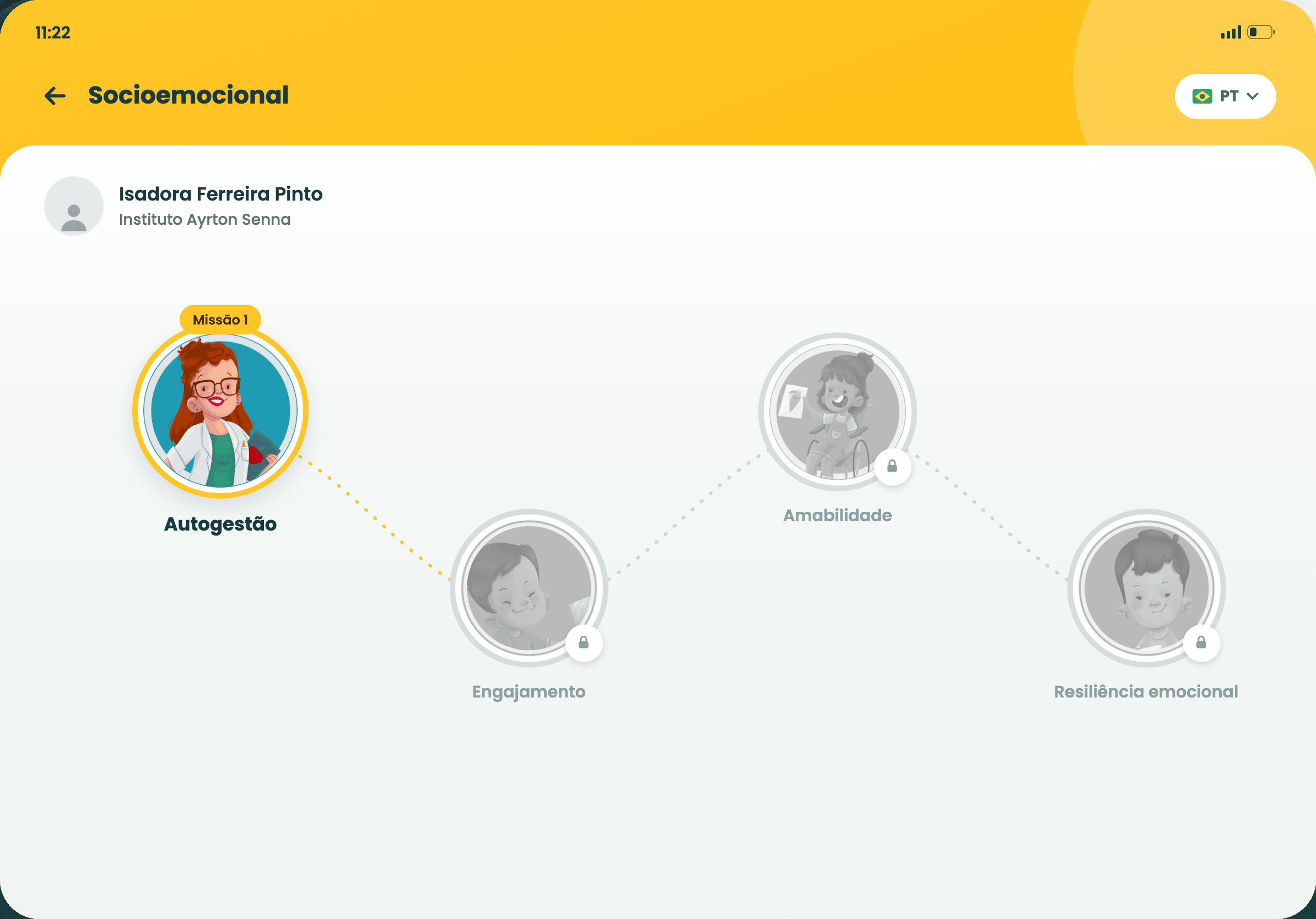
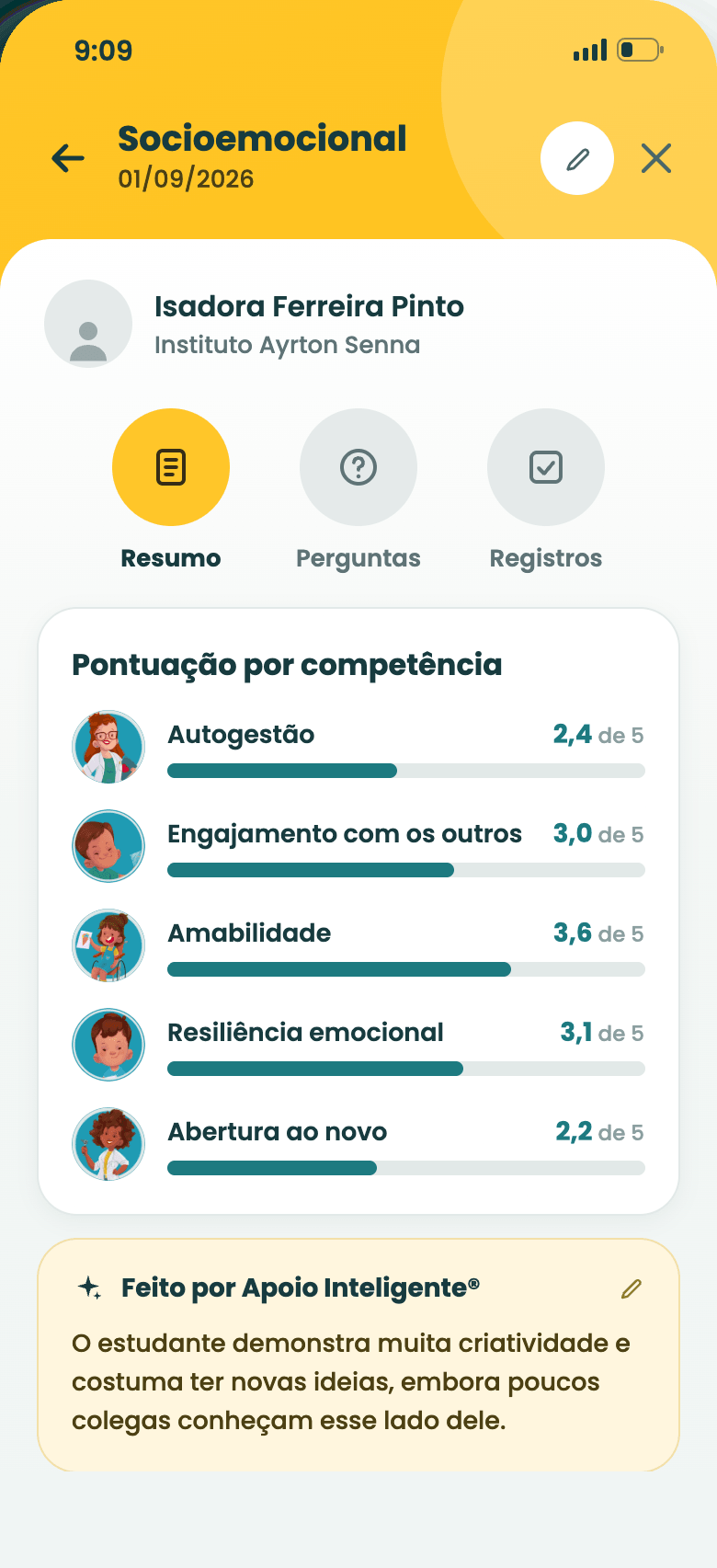
It makes the national inclusion policy work school by school, with the same instrument across the whole network: Case Study, IEP and specialist-support plans recorded the same way, from the smallest rural school to the largest downtown one. That is what makes the data add up and the department's dashboard consolidate itself, instead of spreadsheet by spreadsheet.
Through a waiver or non-tender procedure, depending on the case, with the documentation the legal office usually asks for. The route is settled before the technical conversation moves on, so the pedagogical decision does not stall in legal review.
Yes. Vínculoo® organises and follows Case Study, IEP and specialist-support plans under the terms of the decree, as well as Act 13.146/2015, the BNCC and the CNE guidelines. Compliance comes out of the school's day-to-day records: nobody has to stop the network to produce evidence.
No, and that queue is exactly where the student's right usually stalls. The Case Study starts from what the school observes, so support moves while the health service does its part. When the report arrives, it joins what has already been recorded.
With a report that already exists when they ask for it. What oversight bodies usually request comes out of what the schools recorded through the year, school by school, with no last-minute scramble.
The network does. It is the data controller; Vínculoo® processes the data as an operator under Brazilian data protection law, with anonymisation and protection built into the architecture. Student information never becomes product fuel.
Per student in the target group for special and inclusive education, as set out in Brazil's Decree 12.686/2025, not per total enrolment. The network pays for the students who receive support, which keeps the contract proportional to actual provision and gives the department a figure it can defend. The per-student figure comes up alongside the procurement route.