
For schools
10 Strategies to Make Your Classroom More Inclusive
Inclusion in the classroom is far more than simply having every student together. It means creating an environment where each one feels comfortable and has the chance to learn. Respect and acceptance of each student have to come first.
By Renata OliveiraFebruary 18, 20258 min read
Understanding Inclusion in the Classroom
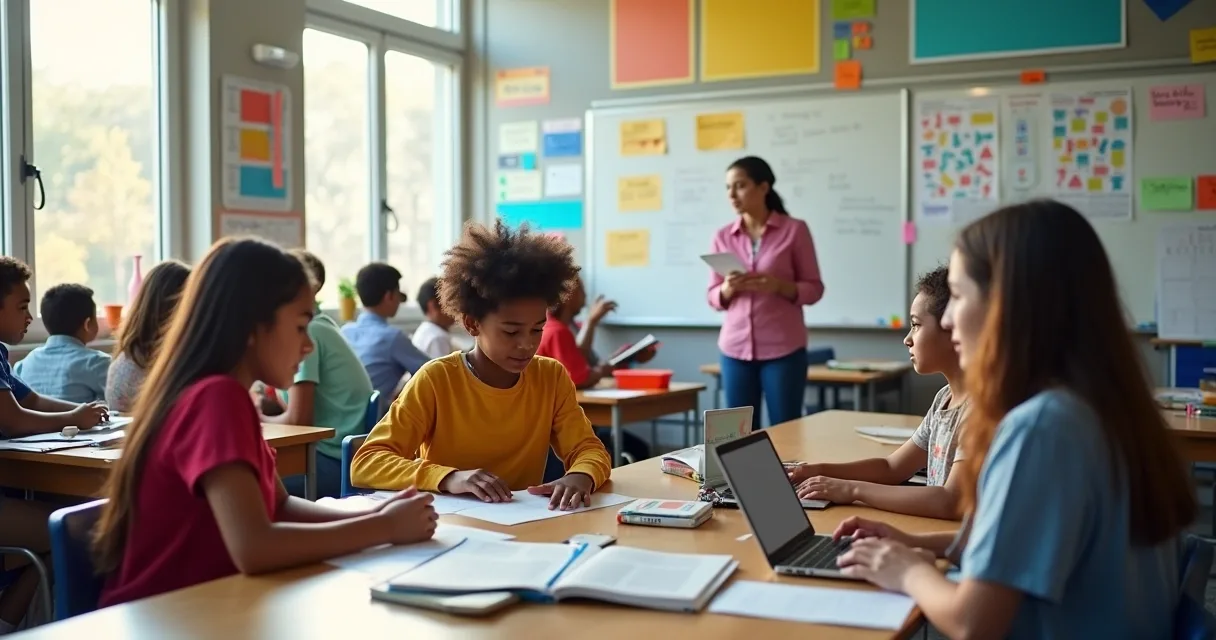
Inclusion in the classroom is far more than simply having every student together. It means creating an environment where each one feels comfortable and has the chance to learn. Respect and acceptance of each student have to come first. Let us look at some aspects that matter in this process.
Knowing how each student learns: Students often have different ways of understanding what is being taught. Some enjoy learning by listening to stories, for example, while others prefer hands-on activities. It is important that the teacher knows these learning styles in order to reach everyone.
Working together: Collaboration between teachers and families is fundamental. When parents take part and support their children's learning, it makes all the difference. Talking about the student's difficulties and achievements helps strengthen their confidence.
- A welcoming environment: Creating a classroom where everyone feels good is vital. A simple smile or a word of support can motivate a student who is on the shy side.
- Adapted activities: Different ways of learning can be used in activities. Using games, videos and even group projects can engage students more and make learning more accessible.
- Celebrating differences: It is important to see that each student brings something special to the classroom. Celebrating those particularities helps create a climate of respect and friendship.
It is therefore essential that everyone involved in education is engaged in making the classroom a place where everyone can shine. With these attitudes, we can guarantee that every student has a space to learn and develop fully.
 What is an inclusive classroom?
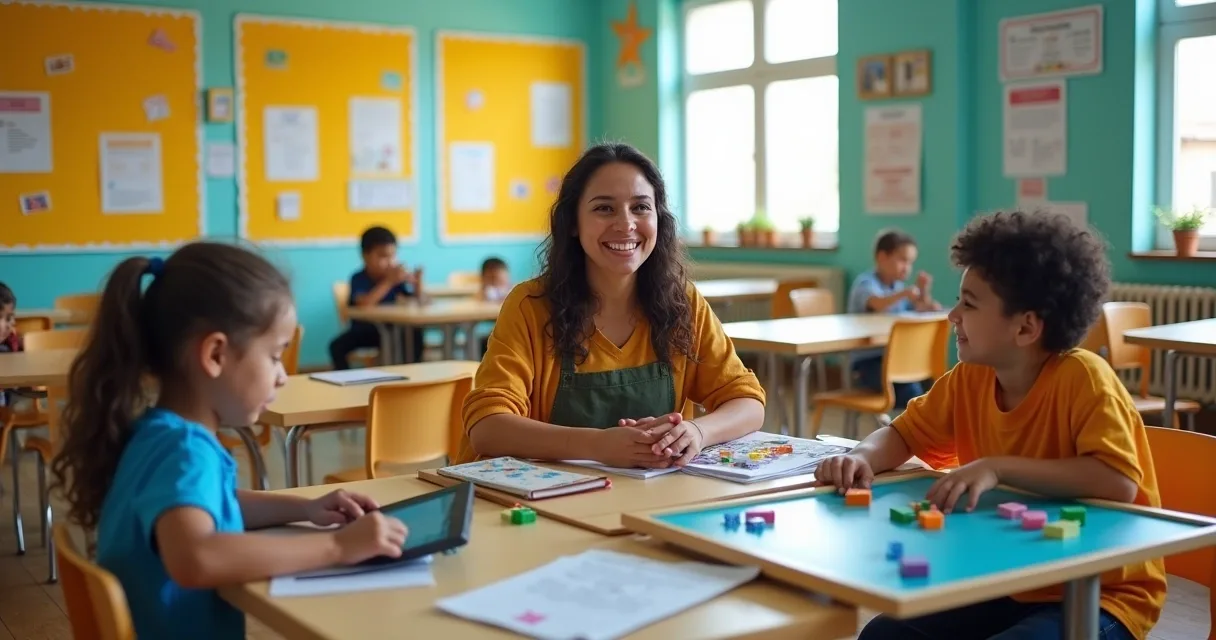
An inclusive classroom is essential so that each student feels valued and takes an active part. Here are some simple but effective practices that can be put in place:
- Accessibility: Make sure the space lets everyone move around easily.
- Varied materials: Offer resources that suit different ways of learning, such as videos, games and texts.
- Empathy: Create moments where students can help each other and respect differences.
These actions make a big difference to the school environment.
Strategy 1: Differentiated teaching practice
It is essential that teachers know practices that help address the range of things students require. Each student is unique and has their own way of learning. The teacher therefore has to be always willing to adjust their techniques. Here are some ways of doing that:
- Use different resources: Mixing videos, music and games makes lessons more interesting and helps fix the content.
- Offer choices: Let students decide how they want to present their work, whether through an oral presentation, a video or an essay. That raises engagement.
- Form small groups: Working as a team is a great way of encouraging collaboration. Group activities prompt dynamic learning and the sharing of ideas.
These strategies make all the difference and create a more welcoming environment for every student.
 Strategy 2: Curriculum adaptations
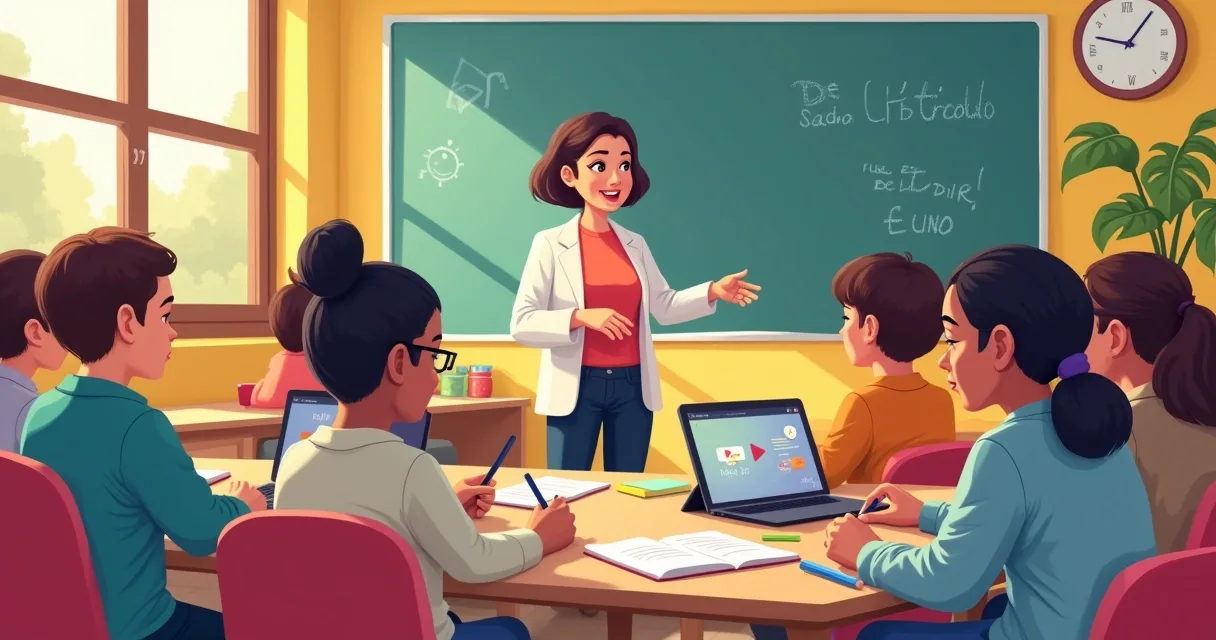
Curriculum adaptation is an essential way of guaranteeing that every student can learn and develop at school. Each student has their own abilities and difficulties, and that is why it matters so much that teachers adjust the content and the activities to address them. When we think about how to improve learning, it is fundamental to look for new approaches. Here are some tips to help along the way:
- Reducing the workload: Instead of asking everyone to do the same number of activities, assess what each student can manage. Reducing the quantity can help keep their interest.
- Variety of formats: Let students choose how they want to present their work: it can be a presentation, a video or a poster. That prompts creativity and makes the task more enjoyable.
- Use of assistive technology: Tools such as reading software and voice recording can be valuable. These resources help students with dyslexia or difficulty concentrating keep up with the material.
Beyond that, Vínculoo® offers solutions that make these adaptations easier, letting teaching become more effective and more engaging for everyone. Remember: every small adjustment can make a big difference in students' lives.
Strategy 3: Flexible learning environments
Flexible learning environments are essential to guaranteeing that everyone feels included. By creating a space where each student can move and interact, you encourage more dynamic learning. Here are some tips for getting there:
- Movable chairs and tables: Let students organize the space according to their preferences.
- Varied areas: Create corners for reading, group work or individual activities.
- Accessibility: Make sure everyone can move easily around the room.
 Strategy 4: Using assistive technology
There are several ways of helping students feel more comfortable and more confident in their schoolwork. Using assistive technology can make all the difference. These tools have the power to make learning more accessible for everyone, especially for those facing specific challenges. Here are some examples of how these technologies can be used:
- Screen readers: They are essential for students with visual impairments, letting them hear what is written in books and digital material.
- Writing programs: Tools that help correct grammar, suggest words and make organizing ideas easier for students who struggle with writing.
- Recording software: A great resource for recording lessons, letting students revisit content that may be challenging the first time around.
Putting these technologies in place not only makes accessibility easier, it also strengthens student autonomy, letting them learn more independently and more effectively. These resources are a great help and can transform the learning experience, making it more inclusive and richer for everyone.
Strategy 5: Collaboration with support professionals
Collaborating with support professionals in education is essential to guaranteeing that every student receives the attention they deserve. These specialists, such as psychologists and therapists, bring important knowledge to the task. Working together, we can identify what each student requires and develop effective strategies that help with learning.
Here are some ways of encouraging that collaboration:
- Regular meetings: Organize frequent gatherings with the support professionals. You can then discuss students' difficulties and progress.
- Team planning: Plan activities and projects together, adapting tasks so everyone can take part and learn.
- Exchanging experience: Share your observations about the students. Exchanging ideas can reveal new approaches and answers.
This teamwork not only enriches the educational experience, it also helps create a more welcoming and more inclusive environment for every student.
 Strategy 6: Raising awareness in the class
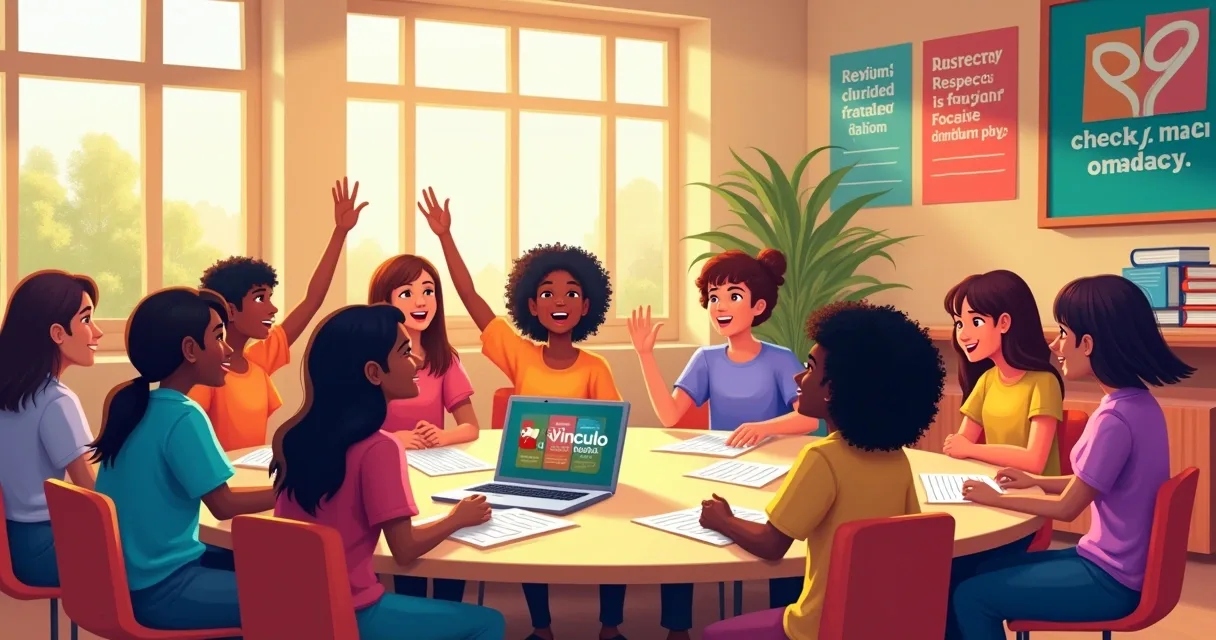
It is important to create a welcoming environment at school, where everyone feels accepted. Raising awareness among students is a fundamental step toward that. When students understand the differences between them, harmony grows. Here are some practical ideas for encouraging that acceptance:
- Open discussion: Set aside moments for students to talk about their experiences and opinions. That encourages mutual respect and values each one.
- Empathy activities: Run exercises where students can picture themselves in their classmates' place. That helps strengthen the bond and the understanding.
- Use of Vínculoo® resources: Use the platform to adapt content about diversity. That can help build awareness of the difficulties some students face.
These strategies can change how the class sees things, making it more inclusive and more respectful.
Strategy 7: Continuous feedback from students
Continuous feedback in education is a remarkable way of helping each student learn more efficiently. When teachers are open to hearing what students have to say, that can make all the difference to learning. It is important that students feel free to express their opinions about lessons and activities, because that helps improve the teaching.
Some tips for encouraging that exchange of feedback:
- Reflection sessions: Set aside moments for students to talk about what they are learning. That can be done in a group or individually, and helps you understand what works best for each one.
- Suggestion boxes: Provide a place where students can leave their opinions anonymously. They can then feel freer to share what they genuinely think.
- Adaptive assessment: Use tools that offer immediate feedback. That lets each student get the help they need at the right moment, making learning more effective.
These practices create an environment where everyone acts as **learning companions**, and that gets everyone progressing together.
 Strategy 8: Group activities
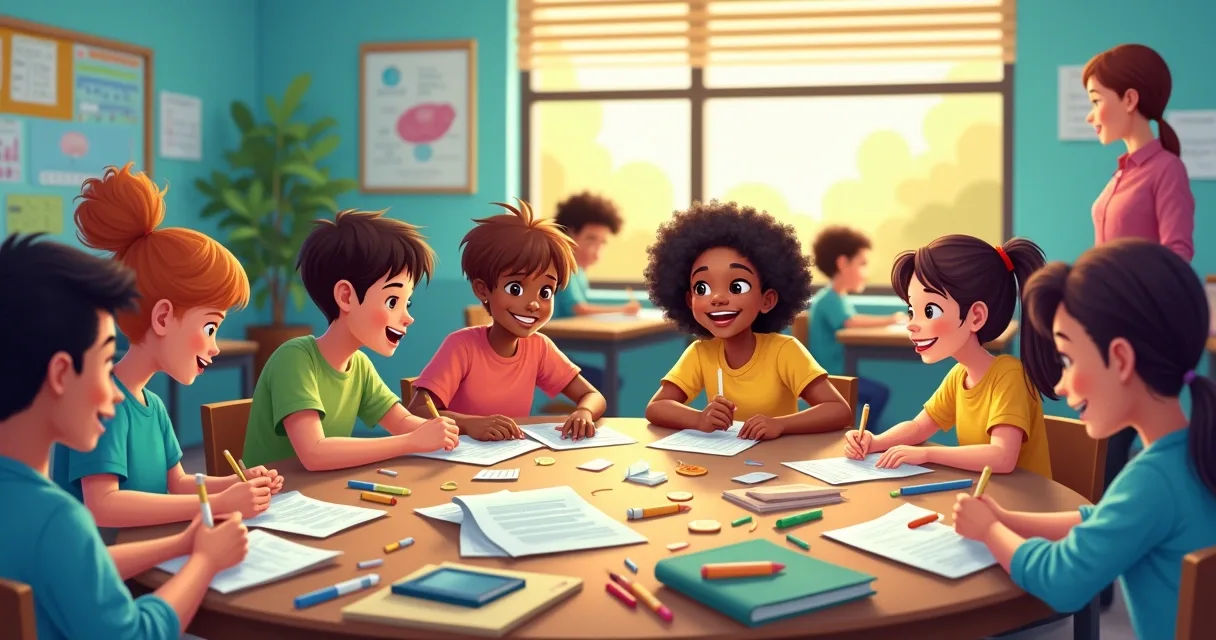
Group activities are essential to creating an inclusive environment in the classroom. They help bring students together and develop teamwork. Here are some tips for making the most of them:
- Mixed groups: Combine students with different abilities, so everyone learns and helps each other.
- Defined roles: Give each student a specific function, guaranteeing that everyone takes part.
- Reflection: After the activity, talk about what they learned and how the collaboration went.
These practices contribute to a more welcoming and collaborative climate. Everyone then feels part of the process.
Strategy 9: Continuing teacher training
For many people, **continuing teacher training** is an important subject that deserves attention. Education is a field in constant change. Staying aware of new ideas and methods is therefore essential. With that, you can offer better teaching to your students and make it more inclusive. Here are some ideas to help along the way:
- Courses and workshops: Taking part in courses offers the chance to learn from specialists and get to know new practices that can be applied in the classroom.
- Study groups: Creating or joining a group of teachers allows the exchange of experience and discussion about what works best for each one.
- Individual reflection: Take time to think about your lessons and how you can improve them. Write down your experiences and your suggestions.
These suggestions can help you feel more prepared and more motivated to face the challenges of education. By adopting actions that encourage continuing training, you not only improve your own skills, you also provide a more welcoming and more productive environment for every student.
Strategy 10: Celebrating diversity
Celebrating diversity is essential to creating a more harmonious school environment. When we respect differences, everyone feels welcome. Here are some simple ways of doing that:
- Cultural events: Organize a day where each student can share something from their culture. That encourages empathy and friendship.
- Open discussion: Talk about why inclusion matters. That helps students understand different perspectives.
- Creative activities: Run art projects that represent the diversity in the room. Through art, everyone can express their identity.
Closing thoughts on inclusion in education
Inclusion in education is a very important subject and deserves to be treated with care. Creating a welcoming environment is fundamental so that everyone feels respected and valued. Here are some tips that can help along the way:
- Value the differences: Each student is unique and brings their own story. Celebrating that diversity enriches learning for everyone.
- Look for support: Talking with colleagues and professionals from other fields can bring new ideas and inspiration for improving your teaching practice.
- Reflect on your practice: Assess what is working and what needs adjusting. That is an essential part of your growth as an educator.
With these attitudes, you can help transform the school experience, making it more inclusive and more meaningful for every student.