
For schools
Attention Deficit Hyperactivity Disorder.
Attention deficit hyperactivity disorder, better known as ADHD, is a condition that affects many children and can complicate learning and everyday behavior. Understanding ADHD is the first step toward helping those who deal with it every day.
By Renata OliveiraSeptember 24, 202410 min read
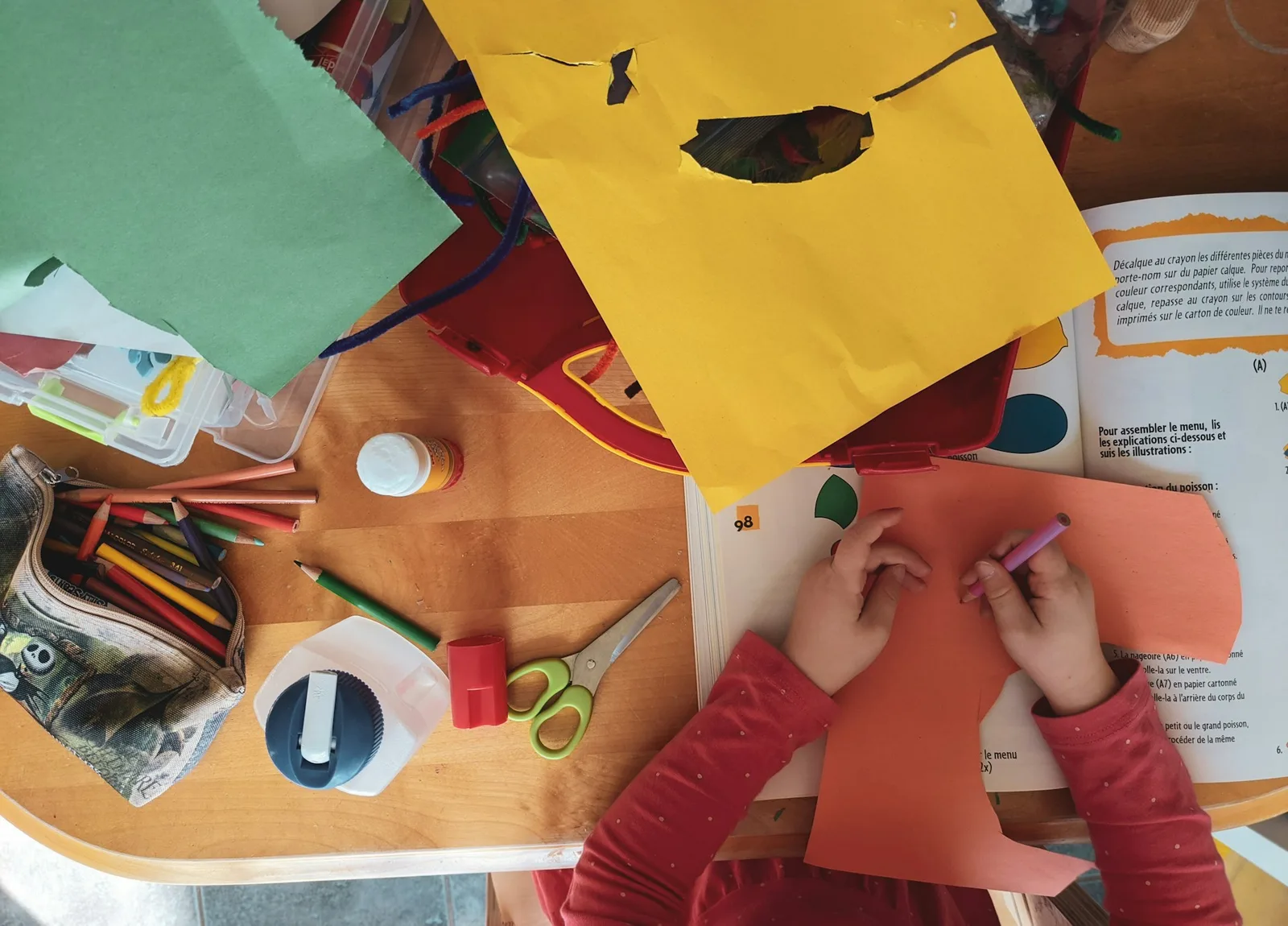
Attention deficit hyperactivity disorder, better known as ADHD, is a condition that affects many children and can complicate learning and everyday behavior. Understanding ADHD is the first step toward helping those who deal with it every day.
ADHD is mainly characterized by difficulty holding attention, excessive hyperactivity and impulsivity. Picture a child who always seems to be "in turbo mode", cannot stay seated for long and acts without thinking about the consequences. These are classic signs of ADHD.
Effect on learning: children with ADHD can have significant difficulties at school. They frequently have problems following instructions, completing tasks and staying organized. That does not mean they are not intelligent or capable, only that they need different approaches to learning.
Here are some useful strategies for working with ADHD:
Create a routine: Keeping a regular schedule for daily activities helps create a predictable environment that can be very reassuring for children with ADHD.
Organize the study space: Having a clean, organized place to study can help keep distractions to a minimum.
Use positive reinforcement: Praise and rewards for good behavior are more effective than punishment. That helps the child understand what is expected of them without feeling discouraged.
Working with ADHD is challenging, but with understanding and the right strategies it is possible to help children reach their full potential. Remember, each child is unique and may need you to adapt these strategies to suit them better.
Main symptoms of ADHD in children
Attention deficit hyperactivity disorder (ADHD) can show up in various ways in children. Knowing these signs helps you give the right support so they develop better both at school and at home. Here we will look at some of the most common symptoms of ADHD in children:
Difficulty concentrating: It is common for children with ADHD to have problems focusing on activities that require continuous attention. They may start doing homework, for example, and soon be distracted by something completely different.
Hyperactivity: Children with ADHD often seem to be "running at full voltage". They find it hard to stay still, and may run around the house or constantly fiddle with things, even in moments that call for calm.
Impulsivity: This is one of the most challenging signs. It means acting without thinking about the consequences, such as interrupting conversations, answering questions abruptly or reacting out of proportion to small problems.
It is important to remember that each child is unique and the signs of ADHD can vary. Having ADHD also does not mean a lack of intelligence or capacity. In fact, many children with ADHD are very creative and intelligent. They just need different approaches for working with their characteristics.
Recognizing the signs of ADHD early can make a big difference in supporting the child's development, helping them reach their full potential more happily and more healthily.
How does ADHD affect learning?
Attention deficit hyperactivity disorder, known as ADHD, is a real challenge in the school life of many children. It affects the way they take in information and take part in classroom activities. Here we will talk about how that happens and why understanding and helping these students matters so much.
Main challenges of ADHD in learning:
Holding focus: Children with ADHD find it hard to concentrate for long. That gets in the way of listening to the teacher, understanding the subject and doing homework.
Getting organized: Planning the day and keeping things in order is not easy for someone with ADHD. That can lead to forgotten assignments and problems following step by step instructions.
Controlling impulsivity: impulsivity often means they speak or act without thinking. That can interrupt the lesson and make group work harder.
It is essential that everyone, teachers, parents and health professionals, works together to support these children. With suitable strategies and an environment that welcomes them, they can not only improve at school but develop their abilities to the fullest.
Teaching strategies for students with ADHD
Teaching students with ADHD (attention deficit hyperactivity disorder) can be a challenge, but some simple strategies can make a big difference. Let us explore ways of making lessons more engaging and more effective for these students.
Set clear goals: It is important that students know what is expected of them. Clear, specific goals help hold focus. Instead of only asking them to "study more", for example, set a goal such as "read three pages of science before bed".
Use visual resources: Many students with ADHD respond well to visual stimulus. Using colors to highlight important information or charts to explain concepts can make learning more accessible and less tiring.
Create dynamic lessons: Changing the format of activities can prevent monotony and help concentration. Alternating between reading, educational videos and hands-on activities such as simple experiments or art keeps the class's energy high.
Give immediate feedback: Constructive comments help students quickly understand what they are doing right or wrong. It is vital that this response is frequent, so the student can adjust and feel motivated to improve.
Practice mindfulness: Teaching relaxation techniques such as deep breathing or simple meditation can significantly improve the capacity to concentrate. Set aside a few minutes of the lesson for practices that calm the mind and prepare the ground for learning.
Using these strategies, you not only help the student with ADHD, you create a more inclusive and more stimulating classroom for everyone. Remember that each student is unique and may need individual adjustments to these approaches. The secret is being flexible and patient, adapting the techniques to what students require.
How can parents support children with ADHD?
If you have a child with ADHD, knowing how to help them day to day makes all the difference. Here are some practical tips for making things a little easier for both of you.
Create a daily routine: Having a set time for activities such as study, meals and leisure helps the child get organized and feel more secure. Plan homework time for the same period every day, for example.
Teach them to organize their space: A tidy bedroom and a specific place for keeping toys and books mean the child knows exactly where to find their things. That reduces distraction and frustration.
Communicate clearly: Use short, direct sentences when explaining what you expect of your child. That avoids confusion and helps the child follow instructions more easily.
Praise the effort: Whenever your child completes a task or behaves well, acknowledge it. A simple "well done" can motivate them to keep trying.
Keep healthy habits: A balanced diet and physical activity are essential. These practices contribute to physical and mental health, helping with concentration and with managing hyperactivity.
With patience and persistence, these actions can significantly improve your child's behavior and school performance. Remember that every small step is a big victory in their development.
Technological resources that help teach students with ADHD
Technology is transforming the way students with ADHD (attention deficit hyperactivity disorder) learn and engage with school content. Modern tools, such as virtual reality and organization programs, offer unique opportunities to capture attention and improve these students' learning.
Picture a history class exploring an Egyptian pyramid through virtual reality headsets. That kind of immersive experience can be extremely captivating for someone who finds it hard to hold focus. Virtual reality lets the student experience the content in a practical, engaging way, making the subject more interesting and less abstract.
Another great ally for students with ADHD are organization programs. These help create task lists, reminders and everyday organization. One example is a program that lets the student see all their school and personal activities on a single screen, making planning and carrying out daily tasks easier.
Educational games are also an enjoyable way of engaging these students. They mix learning with play, which can help hold the student's interest for longer. A maths game that uses missions and rewards to solve problems, for example, can turn a traditional lesson into a stimulating adventure.
Beyond that, adaptive learning software is excellent for addressing what each student individually requires. It adjusts the difficulty of activities according to the student's progress, guaranteeing that they are always stretched without feeling overloaded.
Online collaboration platforms are essential for making communication between students and teachers easier, especially in remote teaching. These tools let students work as a team and share resources, which can be very beneficial for someone with ADHD, because it reinforces socializing and collaboration skills.
Bringing these technologies into education not only helps with the engagement and learning of students with ADHD, it also prepares them for a future where technology will be a constant. So beyond improving school performance, we are equipping these students with tools for life.
What part do teachers play in supporting students with ADHD?
Students with ADHD need a learning environment adapted to what they require. Teachers play a crucial part in that process, helping create a space where these students can thrive.
First, it is important that teachers understand what ADHD is. Knowing that these students may find it hard to concentrate or may act impulsively helps prepare more effective responses. Patience is essential. When a student seems inattentive or interrupts the lesson, the teacher can use techniques such as giving them short tasks or allowing small breaks, which help hold focus.
Adapting lessons is an effective strategy. Using visual resources, such as charts and videos, can make a big difference. This material captures attention and makes understanding easier. Beyond that, activities involving movement are a great call too, because they let students release energy in a controlled way.
Another key point is collaboration with parents. Constant dialogue between school and family is vital. Together, teachers and parents can exchange information about best practice and what works for the student in different settings. That joint effort widens the support for the student, both at home and at school.
Praising the student whenever possible is also a tactic that brings positive results. Recognizing effort and progress helps raise the student's self-esteem and prompts their engagement and persistence.
Finally, continuing teacher training is fundamental. Better understanding ADHD and the most effective teaching techniques lets the educator always be prepared to address what these students require, guaranteeing they have the best learning opportunities.
In short, good support for a student with ADHD involves understanding, adapting lessons, collaborating with parents, positive encouragement and the teacher constantly updating. With these practices, it is possible to turn the challenge of ADHD into a journey of success for the student.
What does the legislation say about educational inclusion?
Here in Brazil, educational inclusion is everyone's right. That means every child or teenager, whatever their circumstances, must be guaranteed their place at school. That is especially important for students with disabilities or disorders, such as ADHD (attention deficit hyperactivity disorder).
The basis of that inclusion is in the LDB, the national education act, which says schools have to welcome everyone without exception. Beyond that, the LBI (Brazil's disability rights law) reinforces this, requiring schools to prepare to give these students adequate support. That involves everything from adapting teaching materials to training teachers to work with specific requirements.
An inclusive school, for example, may have access ramps for wheelchair users, Braille signage for people with visual impairments and special learning programs for students with specific difficulties, such as ADHD. And more than infrastructure, inclusion runs through a school culture that values differences and encourages mutual respect.
It is also worth mentioning Decreto nº 7.611/2011, which created the National Special Education Policy. It guides schools to create an environment that respects each student's individuality, encouraging their autonomy. In practice, that means the school has to adapt its teaching method so everyone can learn in the best way possible.
Adopting these practices not only helps students who require additional support, it also enriches the educational environment for everyone. When a school adapts to include, it is teaching everyone a valuable lesson about equality and human rights.
How does Vínculoo® make inclusive education easier for ADHD?
Vínculoo® is a remarkable tool that helps a great deal in educating students with ADHD (attention deficit hyperactivity disorder). It uses technology to help teachers create lesson plans that fit exactly what each student requires.
Picture a student who finds it hard to concentrate. Vínculoo® can suggest more interactive activities or educational games that get them more interested in the subject without being distracted. That is great because each child learns differently and the platform understands that.
Another good thing is that Vínculoo® gets teachers, parents and even health professionals working together. They can share information and strategies about the best way of helping the student. That partnership is fundamental to creating a supportive environment where the student with ADHD can genuinely thrive.
Using Vínculoo®, teachers can make a big difference in these students' lives, helping them feel more included and capable of reaching their potential. Education becomes more accessible and more effective, which is good for everyone.
Conclusion: why adapting education for ADHD matters
Adapted teaching for children with ADHD is fundamental. Every child is unique and has their own requirements. When we recognize and adapt to those differences, we create a more inclusive and more efficient educational environment.
Think of a classroom where the strategies are personalized for each student with ADHD. The teacher not only passes on knowledge, they also support and motivate, giving each one the chance to learn in their own way.
Adapting education for children with ADHD means promoting equal opportunity. It lets them develop their abilities, explore their potential and feel valued. We are building a future where diversity is celebrated.
Vínculoo®, our platform based on artificial intelligence, is a great ally in that process. It offers resources that help teachers, parents and health professionals work together, guaranteeing effective, personalized support for each student.
Do not miss the chance to make a difference in these children's lives. Join us at Vínculoo® and help build a more inclusive future for everyone.