
For schools
Creative teaching activities for students with disabilities
Have you stopped to think about how to make education more accessible for everyone, especially for those with disabilities? What are the best practices for including everyone in learning effectively?
By Rafael AnselmoSeptember 24, 20246 min read
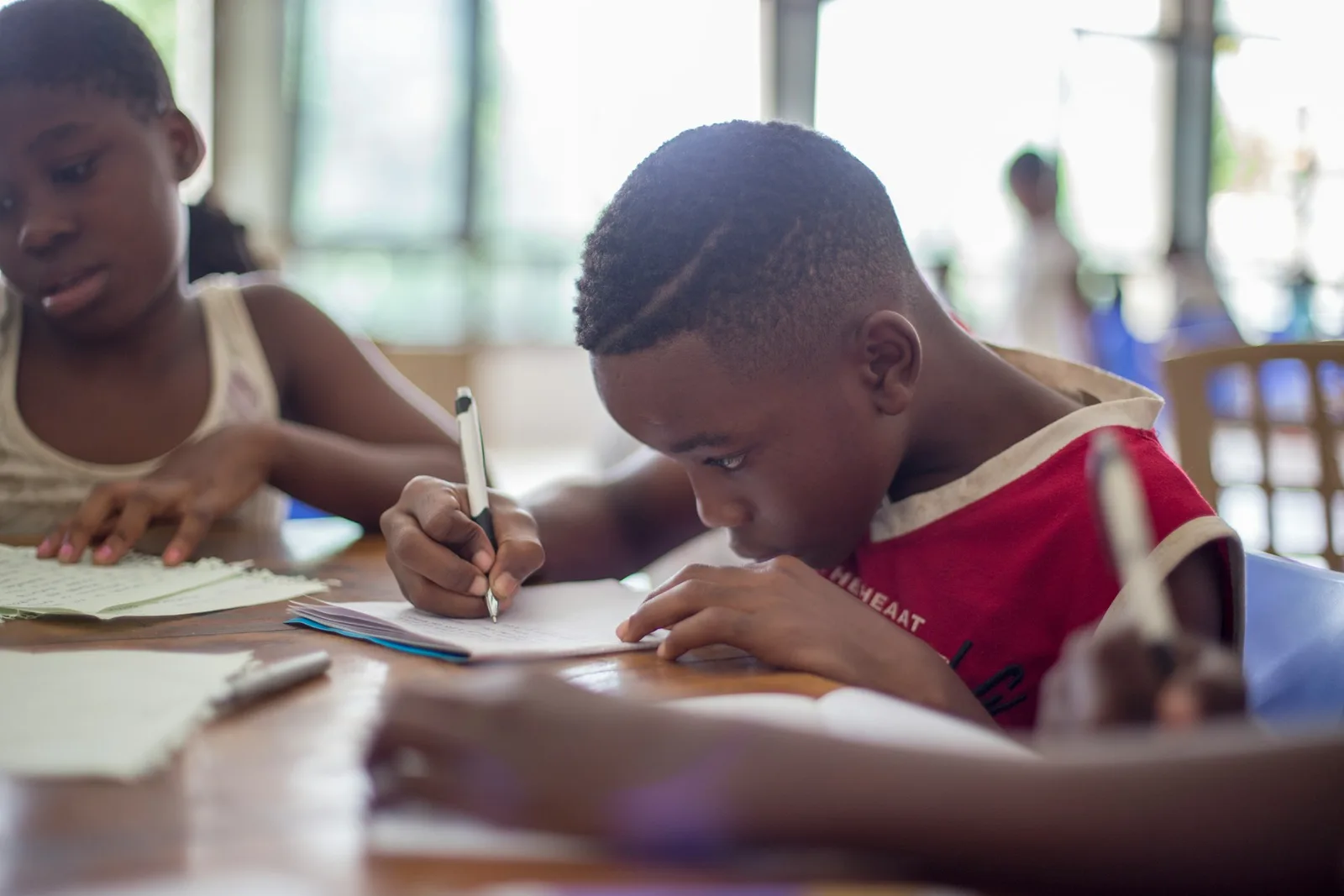
Introduction to inclusive practice in special education
Have you stopped to think about how to make education more accessible for everyone, especially for those with disabilities? What are the best practices for including everyone in learning effectively? Are you looking for strategies that go beyond simply meeting the rules and genuinely transform students' lives? Then this article is for you.
Here we will explore why inclusive practice matters in special education. We will discuss approaches and techniques that can be applied to improve the educational experience of students with varied requirements. You will also see how Vínculoo® can be a great ally in this process, with its adaptive tools and dynamic content. If you are looking to widen educational horizons and create a more inclusive learning environment, read on with us.
How can the arts support cognitive development?
Exploring art can be a powerful way of driving cognitive development, especially in students with disabilities. Activities such as painting and music not only enrich the mind, they also offer a new form of expression and communication. Let us look at how these practices can be beneficial.
Painting is a window into the sensory and creative world. Here are some of its benefits:
Sensory stimulation: Working with textures, colors and shapes helps sharpen the senses.
Motor development: Handling brushes and mixing paint improves hand and finger coordination.
Emotional expression: Painting lets students show their feelings and thoughts without needing words.
Music also plays a crucial part in development. Here is how:
Listening skills: Hearing and creating music improves the ability to recognize and tell sounds apart.
Coordination and rhythm: Playing instruments and dancing prompts motor coordination and a sense of rhythm.
Memory: Learning songs stimulates the brain, helping with retaining information and with long-term memory.
Bringing art into the education of students who require additional support not only makes learning easier, it also strengthens self-esteem and encourages inclusion. Through engaging, adapted activities, each student can explore their abilities and express their individuality in a unique, meaningful way.
Why use visual and sensory resources?
Visual and sensory resources are essential in special education. They help students better understand the content, especially those who require additional support. Let us explore how these resources can transform learning and make it more accessible and more enjoyable.
First, it is important to understand that each student is unique. Adapting the use of visual and sensory materials to what each one requires therefore makes all the difference. That not only makes learning easier, it also prompts everyone to take part in the classroom.
Making understanding easier: Using images, maps and diagrams helps clarify complicated ideas. A chart, for example, can show the steps of a scientific process more simply than text alone.
Raising interactivity: Materials that can be touched, such as building blocks or different textures, let students explore and learn by doing. That is especially useful for those who learn better by doing than by only listening or watching.
Supporting communication: For those who find speaking or writing hard, resources such as pictogram cards or programs that make communication easier can be fundamental. They let the student express themselves and take a more active part.
These resources help retain information better. Associating a piece of information with an image or a hands-on activity can make it easier to remember. That is vital to long-term learning.
Finally, variety is crucial. Alternating between different kinds of visual and sensory resource keeps lessons interesting and stops students losing interest. With the help of tools such as Vínculoo®, which offers adapted educational activities, the learning experience can be richer and more effective.
Bringing these resources together with creativity and planning opens the door to an inclusive, stimulating learning environment. Every student, whatever their particularities, then has the chance to shine and grow.
Bringing technology into special education
Technology is transforming special education, making learning more accessible and more rewarding for children with disabilities. Here is how that is happening:
Accessibility tools: Picture a student with a visual impairment reading at the same speed as their classmates thanks to screen reader software. Or a deaf student following a lesson through subtitled videos. Technology allows these adaptations, guaranteeing that everyone can learn together.
Personalized learning: Each child learns differently. Technology helps create lessons that adapt to what each student requires. If a child finds maths harder, for example, the system can adjust the exercises to practice more in that area.
Games and interactive programs: Learning can be fun. Educational games and interactive programs capture children's attention and turn learning into an adventure. These resources are great for keeping students motivated and engaged.
Easier communication: Online platforms let students, teachers and parents communicate easily. That helps everyone follow the student's progress and work together to overcome challenges.
Bringing technology into education not only benefits students with disabilities, it enriches learning as a whole. It is a powerful tool for creating an inclusive environment where everyone has the same opportunities for success.
Why do educational programs matter for learning?
Educational programs, such as Vínculoo®, are tools that make a difference in educating students who require additional support. They help personalize teaching, making it more accessible and more interesting for each student. Let us better understand how these programs can transform learning.
These programs let teaching be shaped around what each student requires. That means that if a student struggles with a subject, the program can adjust the activities so they are clearer and at the right pace for them. Picture a student who wrestles with maths; the program can offer more visual, interactive exercises to help with understanding numbers.
Another great advantage is how these programs prompt students to learn independently. They can explore the lessons in their own time, which is great for building confidence and autonomy.
Personalized teaching: The programs adapt the content to individual requirements, making understanding and retaining information easier.
Encouraging autonomy: With activities that can be explored alone, students gain more independence in their studies.
Accessibility: Features such as text in audio or videos with subtitles make the content accessible to everyone, whatever limitations they may have.
These programs are also great for keeping teachers and families well informed about the student's progress. They can see detailed reports on what is being learned and how the student is doing, which is essential to offering the right support at the right moment.
Finally, the interaction these programs provide between students, teachers and families is fundamental. They let everyone be involved in education, sharing information and working together to overcome challenges.
With all these characteristics, platforms such as Vínculoo® not only comply with the guidelines of Brazil's national curriculum framework (BNCC), they go further, offering personalized and effective learning. It is technology working to make education more inclusive and better adapted for everyone.
Widening horizons with creative practice
Now that we have explored new ways of bringing creativity and technology into special education, how about putting these ideas into practice? The arts, technology and sensory resources can make a significant difference to the way students who require additional support learn and develop.
Vínculoo® is a practical example of what we have discussed. It offers adaptive tools that help personalize learning, making it more accessible and more engaging. It shows how technology can be used to support and enrich special education.
Let us think together: how can you apply these strategies day to day? How can the arts and technology help your students reach their full potential? Remember, every small step can open new paths to their success. Do not leave it for tomorrow, start making a difference right now.