
For schools
Inclusion in Practice: Real Examples of Individualized Education Plans (PEI)
Inclusion in education is essential to guaranteeing equal opportunity to every student. Individualized Education Plans (PEI) are an effective way of addressing what each student requires
By Renata OliveiraFebruary 21, 20258 min read
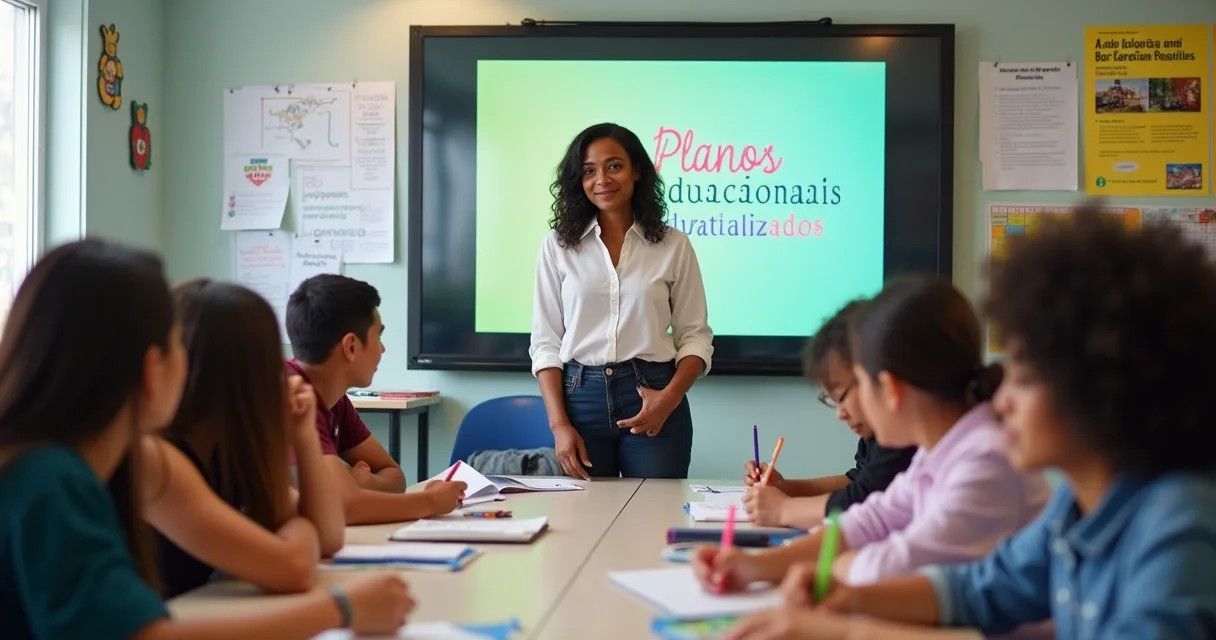
Introduction to inclusion and individualized education plans
Inclusion in education is essential to guaranteeing equal opportunity to every student. Individualized Education Plans (PEI, in Brazil) are an effective way of addressing what each student requires, especially those who find learning difficult. Picture a student who needs more time to finish a task, or one who learns better with visual resources. That is where the PEI comes in.
These plans help personalize teaching, adapting activities so each student can learn more effectively. Instead of following a single model, educators can offer different paths, respecting each one's pace. That encourages not only learning but also students' self-esteem and confidence in their own abilities, making the classroom a more welcoming and more inclusive place.
 What are Individualized Education Plans (PEI)?
Individualized Education Plans, or PEIs, are like maps showing how we can help each student learn better. Picture that each student is unique, with their own difficulties and their own strengths. That is exactly what the PEI is for: to understand what each one requires and how we can help them.
This plan is built around what the student requires. If a student struggles with reading, for example, the PEI can include using audiobooks to make learning easier. They can then listen to the story and follow the text at the same time. For someone who wrestles with maths, the plan can suggest games that make learning more enjoyable. It is like learning through play.
An important part of the PEI is that it is not fixed. Reviewing and adjusting the plan regularly is essential. Sometimes a student overcomes a difficulty and can move on to new challenges. That means the plan has to keep up with their progress. Beyond that, it is fundamental that teachers, families and specialists work together. That collaboration guarantees the student receives all the support they need.
In short, PEIs are valuable because they promote an inclusive education. They help create an environment where each student can feel valued and reach their potential. That is fundamental to everyone's success at school.
Why inclusion in education matters
Inclusion in education is fundamental, because it goes far beyond simply putting every student in the same room. It is about guaranteeing that each student has the opportunity to learn and grow, whatever their difficulties. When schools encourage an inclusive environment, everyone benefits. It helps build a fairer and more welcoming society.
Think about how important it is for a student facing challenges to receive the right support. That can make all the difference to their confidence and their willingness to take part. Have you pictured the effect that can have? Support can turn a shy student into someone who feels secure enough to express themselves, share ideas and make friends.
Inclusion also brings diversity into the classroom. Each student has their own abilities and experiences to share. That makes learning more interesting for everyone. Teachers can use different methods to address what all their students require, creating a more dynamic and richer environment.
On the other hand, a lack of inclusion can be damaging. Students who do not receive the support they need can lose motivation and even give up on learning. Inclusion is therefore not just important, it is essential. Everyone deserves to be valued and respected, and that starts at school.
 Practical examples of PEIs in education
Individualized Education Plans (PEIs) are an important way of guaranteeing that each student has the chance to learn according to what they require. They are like a guide, made specifically for each student. Let us look at how that can work in practice with simple, real examples.
Picture a student who has dyslexia. Their PEI can include resources such as:
- Audiobooks: These materials let them listen to stories instead of reading them. Understanding the content then becomes easier.
- Enlarged text: With larger type, reading becomes more accessible, helping the student follow the text more comfortably.
- Hands-on activities: Using physical objects to learn can make teaching more interesting and less challenging.
Now think of a student with autism spectrum disorder (ASD). Their PEI can include:
- Visual routines: A schedule with images can help the student plan their day and feel more secure.
- Social skills: Games that prompt interaction can be a great way of practicing life alongside classmates.
- Break times: Moments to relax are essential so the student can recover and be ready to learn again.
These plans, adapted to each student, show that inclusion in the school environment is possible and makes all the difference in the life of the person learning. Teachers and families working together is what genuinely drives learning and creates a welcoming environment.
How do you write an effective PEI?
Writing an Individualized Education Plan (PEI) is a task that requires careful attention and a lot of collaboration. The goal of this plan is genuinely to support each student's learning. To make that possible, follow some practical tips that will make all the difference.
1. Know the student: The first step is understanding who the student is. Talk with them and with the family to find out what they require and what they are capable of. That helps create a more welcoming and more effective environment.
2. Define clear goals: The goals in the PEI should be simple and direct. Instead of "improve at maths", for example, it could be "solve five addition problems a week". That makes following progress easier.
3. Choose suitable strategies: Adapt your activities to what the student requires. That can mean using games or visual resources, which make learning more enjoyable and more accessible.
4. Set assessment moments: It is important to have defined dates for seeing how the student is doing. That lets adjustments be made quickly if needed.
5. Involve the family: Family participation is vital. They can offer support at home, help with activities and give feedback on what is working well.
6. Support the educators: Invest in teacher training. The better prepared and more confident they are, the better the learning experience will be for the student.
Following these steps can transform not only the PEI but the educational experience of everyone involved. With dedication and effort, it is possible to create a far more inclusive and more productive learning environment.
 Challenges in putting PEIs in place
Putting Individualized Education Plans (PEIs) in place can be challenging, but understanding the obstacles is the first step toward overcoming them. Let us explore that together.
One of the difficulties is the lack of specific training. Many teachers feel unprepared to adapt their teaching to what each student requires. A teacher may not know how to use visual resources to help a student who struggles with reading, for example. That can leave them hesitant about creating a suitable PEI, limiting the student's learning opportunities.
Another important challenge is collecting data. To create a genuinely effective PEI, you have to follow student performance closely. That includes running regular assessments and recording progress. If that step is not done properly, the plan may not reflect what the student actually requires.
Communication between everyone involved is also essential. It is fundamental that parents, teachers and support professionals are aligned. Here are some points that make that collaboration easier:
- Set regular meetings: These meetings help align expectations and strategies.
- Share information: Everyone should be aware of what the student requires.
- Exchange ideas: Foster an environment where everyone feels comfortable contributing.
Finally, resistance to change can be a big obstacle. Some schools prefer traditional methods, which can make putting PEIs in place harder. Change can be difficult, but it is necessary to guarantee that every student has the best learning opportunities.
The part the family plays in writing the PEI
Family participation in building the Individualized Education Plan (PEI) matters a great deal. Families know their students best, along with their abilities and their challenges. That is why it is essential that they take part in the process. How can that happen? First, communication has to be clear and frequent. Meetings between parents and teachers help share valuable information. A parent may notice behaviors and interests at home, for example, and that can enrich the PEI.
Beyond that, it is fundamental that families feel their opinions matter. When they contribute ideas and experience, the PEI becomes better suited to what the student requires. If a parent discovers their child learns better through games, that can be mentioned while the plan is written. Strategies like that can then be included.
Supporting the PEI at home also makes a difference. When families know the plan and its goals, they can reinforce the actions at home. If one goal of the plan is reading, parents can encourage the practice in everyday activities.
In the end, collaboration between school and family creates a more welcoming environment. And that can raise the student's chances of success. Together, they become partners on the educational journey, making the experience far richer and more rewarding.
Tools and resources that support inclusion
To guarantee that every student has access to a quality education, it is essential to have tools and resources that make learning easier. There are several options that can be used creatively to make teaching more accessible. These tools help teachers address what each student requires and make learning more interesting.
Here are some tools and resources that can make a difference:
- Educational games: They make learning enjoyable and help fix the content through play. Picture learning maths by playing a game with challenges and prizes. That makes learning far more rewarding.
- Multisensory material: Using textures, sounds and images strengthens learning, because the student engages in different ways. When learning about nature, for example, touching leaves or hearing animal sounds can enrich the experience.
- Augmentative and alternative communication (AAC) boards: These resources are essential for those who find it hard to communicate. With a board, a student can express their ideas without fear.
- Audiobooks: They are a great alternative for those who cannot read easily. You can listen to stories while learning about different subjects.
- Digital tools: Online programs and platforms offer support and can be adapted to different requirements, letting each student learn in their own way.
Using these tools is an important step toward creating an environment where everyone feels included and can take an active part in learning. It helps shape a fairer and more accessible education for all.
Closing thoughts on inclusion and PEIs
When we think about inclusion in schools, it is important to remember that each child is different and has their own requirements. Individualized Education Plans, or PEIs, are a way of helping each student learn in the best way possible. A child who struggles with reading, for example, may need extra support or specific tools to better understand texts.
Beyond that, having a PEI is not only a rule to follow. It is a way of showing that the school cares about each student. An inclusive environment leaves everyone feeling accepted and valued. That improves self-esteem and the willingness to learn. When students feel good at school, they can reach surprising results. A student who is supported and respected has a far better chance of shining.