
For schools
Inclusive Education: Activities to build autonomy
Inclusive education is essential to guaranteeing that every child, including those with disabilities, has equal opportunities to learn and develop. What genuinely makes the difference, though, is building these students' autonomy.
By Renata OliveiraSeptember 24, 20245 min read
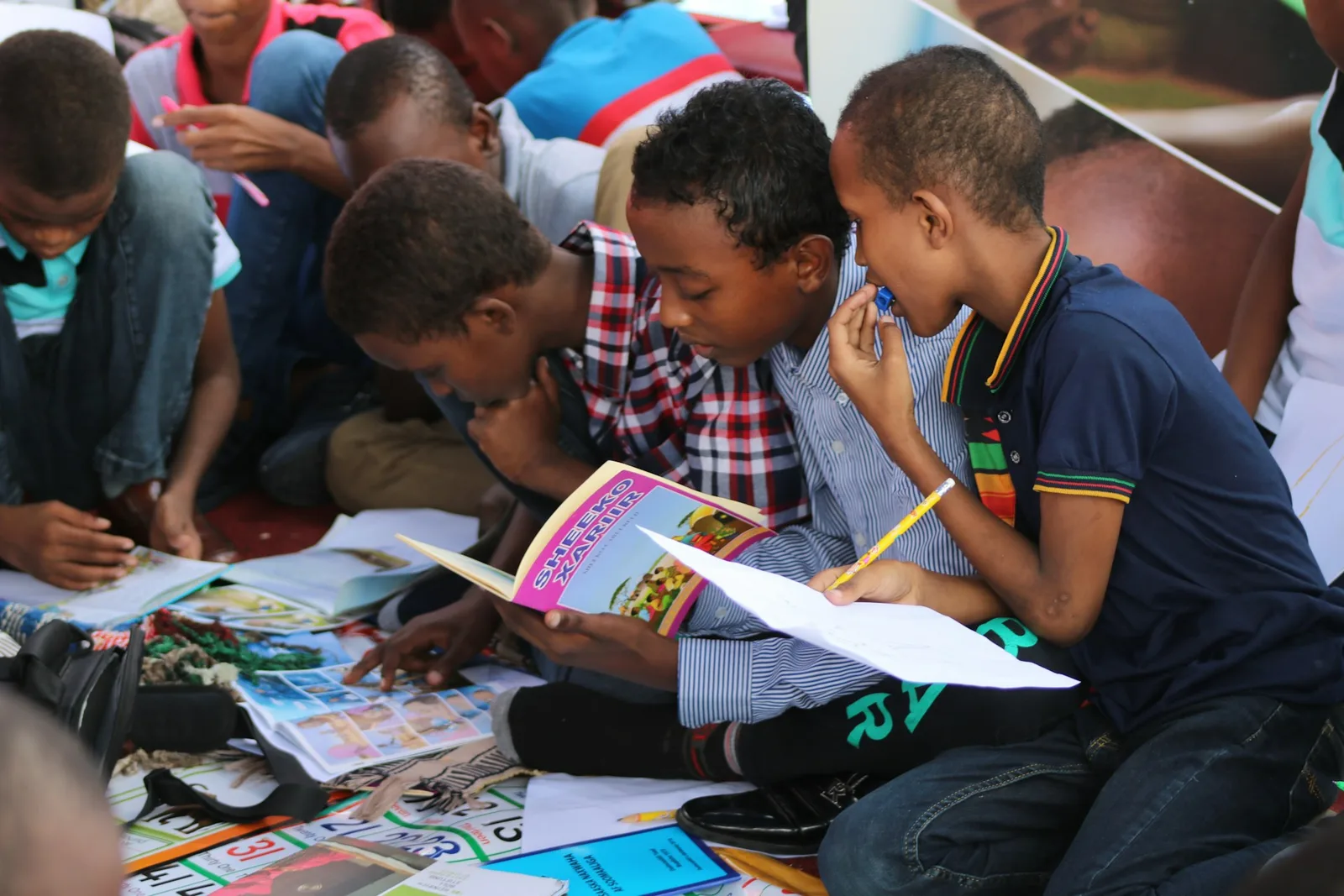
Inclusive education is essential to guaranteeing that every child, including those with disabilities, has equal opportunities to learn and develop. What genuinely makes the difference, though, is building these students' autonomy. That means helping them be able to make decisions and act for themselves whenever possible.
Picture a classroom where every student, whatever their abilities, takes an active part. Teachers can use technology, such as software that adapts the content to each student's level, to encourage that inclusion. These tools let children with specific difficulties move forward at their own pace, a big step toward autonomy.
A student with a visual difficulty, for example, can use a computer program that reads texts aloud, letting them follow lessons alongside their classmates. That kind of technology not only helps with education, it also prompts the student to feel more independent and more capable.
Educators play a crucial part in this process. They have to be prepared to adapt teaching methods and constantly assess student progress. Autonomy comes with practice and with constant encouragement for students to try doing things for themselves, always with the necessary support on hand.
Inclusive education and building autonomy therefore help not only with academic development but also with shaping confident, independent people. It is a strategy that transforms lives and prepares every student, with or without disabilities, for future challenges.
How can technology sharpen special education?
Technology is changing special education in a remarkable way. It helps each student learn at their own pace, especially those facing unique challenges. One good example is using programs that create simulations of social interaction for students with autism, helping them improve their communication.
One of the great highlights is personalized learning. There are programs that adjust the activities according to what the student requires. That makes learning more efficient and easier for them. Picture software that proposes more visual exercises for someone who struggles with text, or sounds and music for someone who learns better by listening.
Beyond adapting the content, technology also makes education more accessible. A student who cannot easily use their hands can benefit from technology that responds to voice commands, letting them take part in activities like any other student.
Bringing technology into special education not only improves teaching for these students, it also helps us build a more inclusive world. After all, everyone deserves the same opportunities to learn and grow, whatever the challenges they face.
Practical activities for building autonomy
When we talk about education, one crucial point is how we can make students more autonomous. That means helping them be able to make their own decisions and manage their studies effectively. Here are some practical strategies that can be applied in the classroom to reach that goal:
Setting goals: Encourage students to create short and long-term goals. That helps them understand where they want to get to and what they have to do to reach those objectives. It can be something simple, such as improving their maths marks or completing a project by the end of the term.
Feedback that makes a difference: Offer responses that motivate and guide. Instead of only pointing out mistakes, suggest ways of improving and celebrate what went right. That kind of feedback helps students reflect on their own learning and identify how they can improve.
Group projects: Working as a team is an essential part of school and professional life. Organize projects that require collaboration, where each student can contribute their abilities and learn from the others. That not only develops autonomy, it also builds important social skills.
Adopting these practices can make a big difference to how students see themselves and their education. Building autonomy is not only about letting them make their own choices, it is about equipping them with the tools and support that make those choices informed and effective. They will then be better prepared for the challenges of academic and professional life.
What part does technology play in personalizing learning?
These days, technology is transforming the way we learn. It helps us make teaching more personalized, which matters especially for those who require additional support. Children with dyslexia, for example, can use programs that turn text into audio. That helps them better understand the information and keep up with the class without feeling left behind.
Another advantage is that teachers can plan lessons that respect each student's unique way of learning. Picture a student with autism who is easily distracted by noise. They can use a program that reduces external sound, letting them concentrate better during lessons.
Artificial intelligence (AI) is a great ally in this process. It can analyze how students are doing and suggest new ways of teaching that better fit what each one requires. Thanks to AI, teachers can help each student more efficiently, guaranteeing that nobody falls behind.
Adopting technology that helps personalize learning not only benefits students with specific challenges, it also creates a more inclusive and more welcoming teaching environment. Tools such as adaptive reading programs and personalized learning software are essential so that everyone has the chance to reach their full potential.
Conclusion: Vínculoo® and the future of inclusive education
Technology plays a crucial part in education today, especially when we talk about inclusion. With tools such as Vínculoo®, for example, teachers can design lessons that genuinely address what each student requires. That is inclusion for real.
Picture a student who finds it hard to write quickly. With Vínculoo®, the teacher can adjust activities to use more visual or interactive resources and less text. That gets the student taking part more and feeling part of the class.
Vínculoo® does not only help personalize teaching. It also uses artificial intelligence to uncover new methods that may be more effective for each student. That means each child has the chance to learn in the best way for them.
That is how Vínculoo® is changing the game in inclusive education. It lets every student, whatever their abilities, learn and grow at their own pace. That is powerful, because education is not only about teaching, it is about reaching each student where they are and helping them go further.
I invite you to find out more about how Vínculoo® can make a difference in the lives of many students and teachers. Let us make education a place for everyone, together.