
Podcast
Public Policy, Ableism and Paths to Inclusion: what we learned in the first episode of the Vínculoo® Podcast
An inspiring conversation with Érica Ursulino, Secretary for People with Disabilities of Osasco, São Paulo, about the progress, the challenges and the public policy that strengthens inclusion in school systems.
By Rafael AnselmoAugust 3, 20242 min read
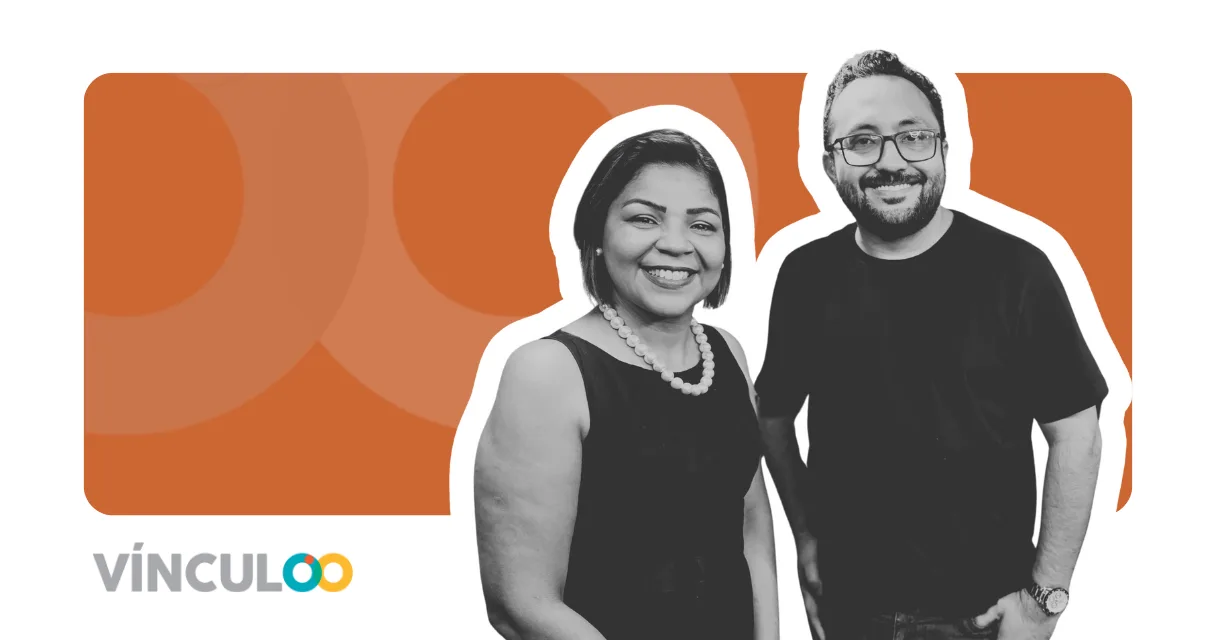
The first episode of the Vínculoo® Podcast brought an essential conversation about inclusion, public policy and the challenges of accessibility in Brazil. The guest was Érica Ursulino, who holds a master's in educational psychology, specializes in autism and, at the time of recording, was Executive Secretary for People with Disabilities of Osasco.
The episode goes deep into the distance between what is written in the law and what happens in practice, showing why we still move slowly toward guaranteeing rights.
Strong legislation, insufficient practice: the Brazilian paradox
Although Brazil has one of the most complete bodies of inclusion legislation in the world, putting it in place is slow and full of barriers. Among the main obstacles are:
- Inadequate accessibility in buildings and public spaces
- Ableism, still little understood despite being a crime
- A charity mindset, which treats disability as charity rather than as a right
These barriers directly affect the 45 million people with disabilities in the country.
Inclusion in the municipality of Osasco: practical actions that make a difference
The Executive Secretariat for People with Disabilities works alongside education, health and social services. The initiatives include:
- Partnerships to make local commerce more accessible
- Permanent training and awareness campaigns
- Brazilian Sign Language courses and the creation of representative councils
All of it guided by the principle “nothing about us without us”.
The education challenge: insufficient teacher training
Only 6% of teachers have adequate training to work in special education. Even so, Osasco has moved forward with actions such as:
- A mediating teacher for specific pedagogical support
- Monthly meetings with families for dialogue and welcome
- Distribution of inclusive teaching materials
The right terms and a focus on functioning
The episode reinforces the use of the term person with a disability. The Vínculoo® platform prioritizes a view centered on the student's abilities, capabilities and real requirements, and not only on diagnoses.
Érica, who is also the mother of an autistic person, stresses how important it is to see the individual beyond the disability, with respect and without romanticizing.
