
For schools
Step by Step: How to Personalize Teaching for Special Education Students in Line with the BNCC
Personalizing teaching in special education matters enormously in helping each student develop their full potential.
By Renata OliveiraFebruary 23, 20258 min read
Introduction to personalized teaching in special education
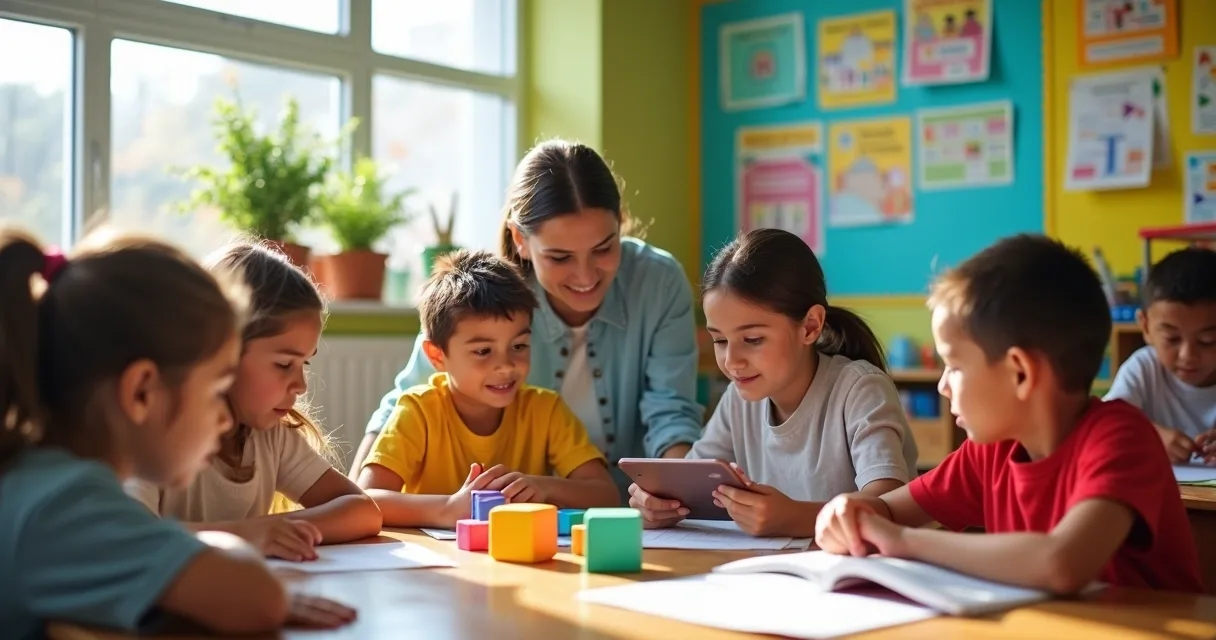
Personalizing teaching in special education matters enormously in helping each student develop their full potential. Each student is unique, with their own characteristics and their own learning pace. That is why it is fundamental that teachers adapt in order to address those differences effectively. Here are some ways of doing that:
- Know your students: Understanding what each one requires and where they struggle helps create a suitable learning environment.
- Use varied methods: It is important to use different strategies, such as games, hands-on activities and even technology, to keep everyone interested.
- Constant communication: Keeping an open dialogue between educators, students and their families strengthens the support for learning.
These approaches help build a more inclusive space where each student feels important and motivated to learn. Personalized teaching is a commitment to educating everyone.
 Understanding the BNCC and why it matters
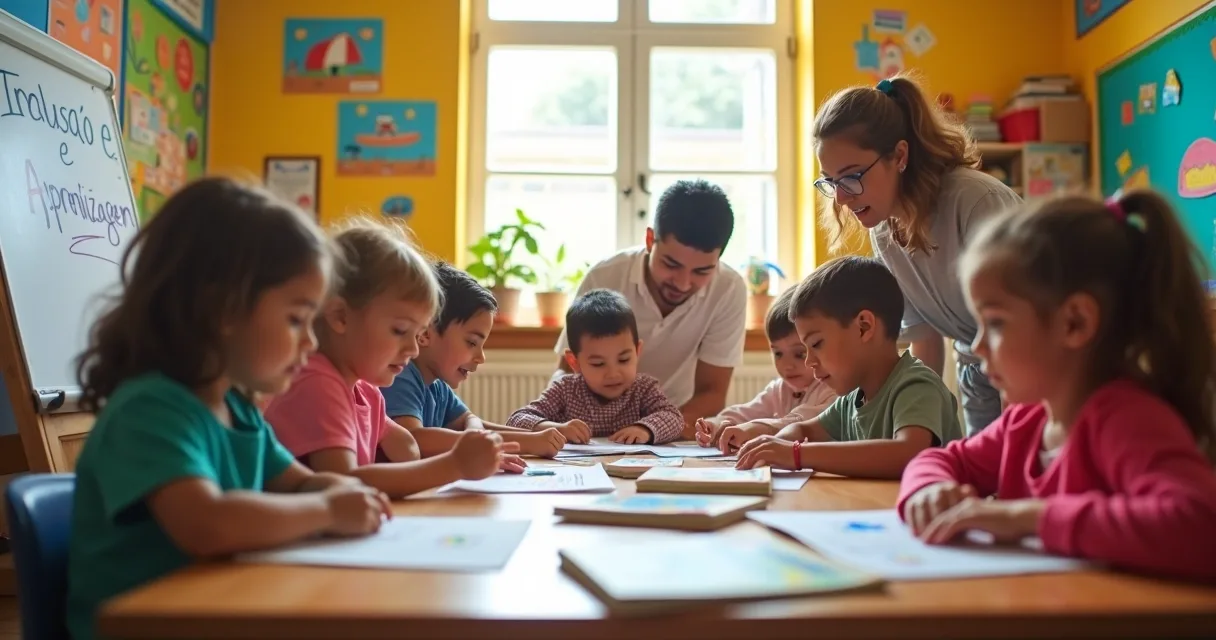
Brazil's national curriculum framework, the BNCC, is a very important document for education in the country. It defines what every student should learn at school, helping guarantee quality teaching for all. Let us look at why that is fundamental, especially for those who need special education.
The BNCC aims to promote the inclusion of every student, taking into account what each one individually requires. For students who require additional support, that means schools have to adapt their teaching. A student who finds learning difficult, for example, may need more hands-on activities or different teaching materials. Here are some points that show why the BNCC is relevant:
- Clear guidance: The BNCC helps teachers know how to teach better, taking account of students' different profiles.
- Real inclusion: With the BNCC, every student, whatever their difficulties, can access the content and develop their abilities.
- Flexibility: The curriculum allows adaptations in teaching, letting each teacher find the best way of reaching their students.
For all of that, the BNCC is an essential tool, because it pursues equality and inclusion in the classroom. The goal is that everyone has the chance to learn and develop, with their particularities respected.
Challenges in teaching students who require additional support
Working with students who require additional support can be challenging, but it is also very rewarding. Each student is unique and has their own abilities and difficulties. Here are some important points to consider in the process.
- Diversity of requirements: Each student requires something different. That means the teacher has to adapt the teaching for each one. One student may need more time to complete an activity, for example, while another may benefit from visual explanations.
- Available resources: Many schools face limits in materials or technology. A lack of resources can make creating an inclusive learning environment harder. That is why it is important to look for partnerships or acquire materials that help every student.
- Educator training: Teachers need adequate preparation. Knowing about inclusive methods is fundamental to serving students in the best way. A teacher who feels prepared can make the difference.
- Overcoming resistance: Some institutions can be reluctant to change. Inclusion is essential, though. Creating an open dialogue with the school community helps build a more welcoming environment.
Inclusive education is not only a goal, it has to be a reality for everyone. By facing these challenges together, we can guarantee that each student has the chance to shine.
 Effective strategies for personalizing teaching
Personalized teaching is a very important approach in education, especially for those who require additional support. It means adapting lessons and activities so that each student can learn in the best way possible. Here are some ways of doing that:
Varied methods: Using different teaching techniques can help a great deal. That can include videos, games, group activities or even hands-on experiences. When students interact with the content, they tend to take more interest and learn better.Adapted assessment: Beyond personalized lessons, assessment also has to be adjusted. If a student struggles with reading, for example, you can let them give an oral presentation instead of a written test. That helps show what they genuinely know.Collaboration and communication: Working as a team makes all the difference. Keeping an open dialogue with parents and other educators brings valuable insight. They can offer tips on how to better support the student at home and at school.Inclusive environment: Creating a safe and welcoming space is essential. Make sure all materials and resources are accessible. That helps build a sense of belonging.Examples of inclusive practice:
- Learning workshops: Running hands-on activities that involve every student.
- Use of visual resources: Using charts and images to make understanding easier.
- Constant feedback: Offering frequent responses so students know how they are progressing.
These techniques can turn education into a more inclusive and more enjoyable place for everyone.
Why collaboration between educators and families matters
The partnership between educators and families is fundamental in helping students who require additional support. When both work together, the chances of learning rise. Here are some ways of strengthening that collaboration.
Tips for more collaboration:
- Frequent meetings: Scheduling regular meetings with parents is a great way of discussing progress and aligning goals. Open conversation helps everyone better understand what the student requires.
- Sharing information: Exchanging information about the child's routine and interests lets everyone feel more connected. Parents and teachers can learn a lot from each other.
- Involvement in activities: Inviting parents to take part in school events and everyday activities strengthens bonds and builds a positive environment for the child.
- Using technology: Tools such as Vínculoo® make communication easier. These platforms help keep everyone updated on how students are developing.
With these strategies, it is possible to create a more welcoming and more effective learning environment.
 Technology as an ally in personalized teaching
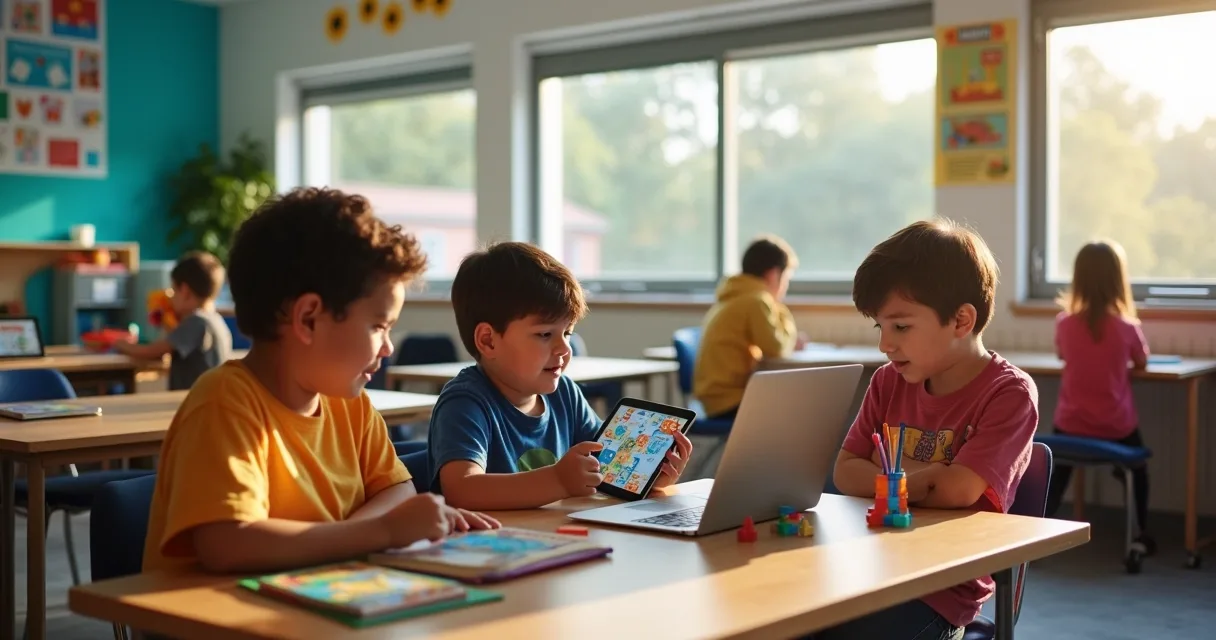
Technology is changing the way we learn, especially when it comes to special education. Digital tools can make learning more accessible and more interesting for students with different requirements. Let us explore how that works in practice.
One platform that illustrates this is Vínculoo®. With the help of artificial intelligence, this tool adapts the content for each student, respecting their unique way of learning. Here are some ways technology can help personalize teaching:
- Educational games: They make learning more enjoyable and more engaging, helping students concentrate.
- Videos and audiobooks: These resources help develop reading and comprehension skills. Learning gets lighter.
- Augmentative and alternative communication (AAC): AAC boards are an excellent option for students who find it hard to communicate verbally.
- Personalized assessment: Tools that run adapted assessments, such as the Portage Inventory, are essential to measuring progress inclusively.
Beyond that, technology brings learning materials that suit a range of requirements and styles. Building these tools into the school routine is an important step toward guaranteeing teaching where everyone feels included. Each student can then have a unique and valuable experience, making the most of their potential.
Building inclusive assessment into teaching practice
Inclusive assessment is an important part of teaching students with different requirements. It is not limited to running tests and waiting for results. Instead, it seeks to understand how each student learns and where their difficulties lie. Here are some ways of making that assessment more accessible and more effective:
- Varied assessment: It is worth using different assessment methods. Instead of only written tests, you can include group work, oral presentations and even projects that prompt creativity. That helps each student show their knowledge in a way they feel comfortable with.
- Constructive feedback: Whenever possible, offer a clear and positive response. Comment on what was done well and suggest ways of improving. That leaves students feeling supported and motivated to learn.
- Active participation: Invite students to take part in the assessment process. Ask what they think matters and how they prefer to be assessed. That makes the experience more meaningful.
- Continuous monitoring: Assess progress throughout the year, not only on specific dates. You can then adjust your teaching to better serve students when necessary.
These strategies help create a more welcoming and fairer school environment, where everyone has the chance to learn and develop.
 Continuing teacher training for special education
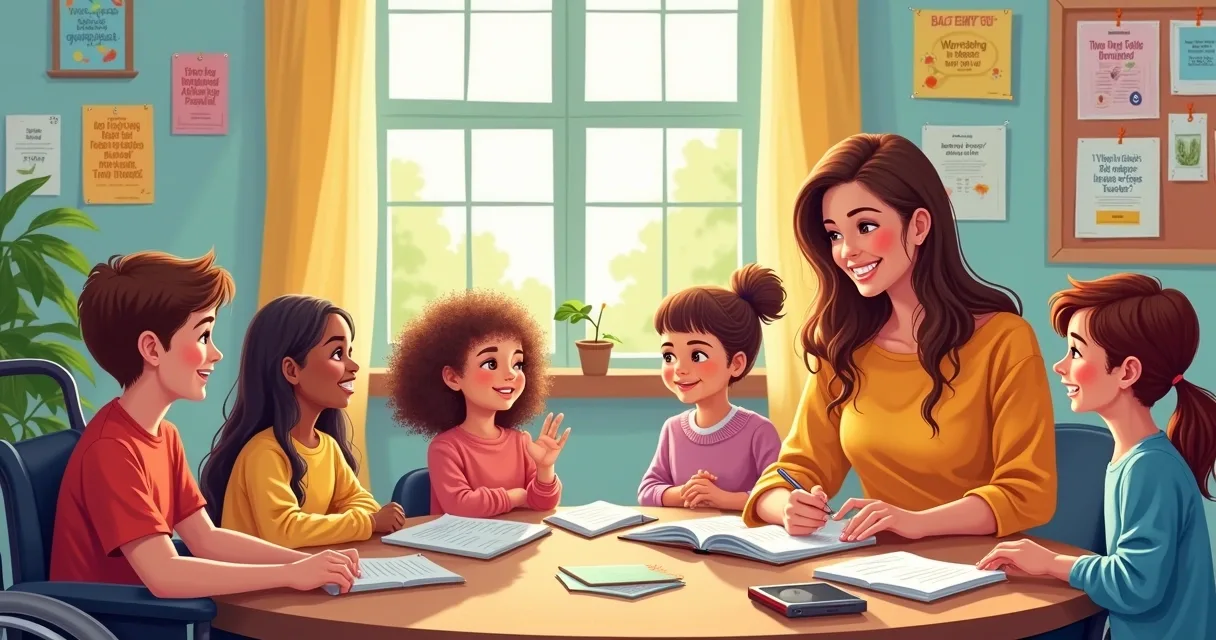
Continuing teacher training is crucial, especially when we talk about special education. To work with the diversity of what students require, it is important that educators always keep learning more. Here are some ways of improving:
- Courses and workshops: Taking part in events that teach new methods can make all the difference. It helps teachers stay updated on inclusive practice.
- Study groups: Joining colleagues to discuss experience and exchange ideas is a great form of professional growth. Sharing wisdom is enriching.
- Visits to other schools: Observing lessons at other institutions can bring new perspectives and inspiration. Learning from other professionals is always valuable.
Investing time and effort in continuing training not only improves teachers' practice, it also leaves students feeling more supported in their particularities. Everyone gains from a richer and more welcoming learning environment.
The part communities play in educational inclusion
Community participation is essential to making education more inclusive and more welcoming for everyone. When people come together, we create a space where each student feels part of the group. Here are some ways that can happen:
- Support programs: Communities can create actions that help students who require additional support, such as extra lessons or adapted activities.
- Awareness events: Organizing talks and gatherings about inclusion can change the way people see education for everyone.
- Partnerships with schools: Local businesses and organizations can join with schools, offering useful resources such as materials and donations.
- Volunteering: Community members willing to help in classrooms often make a significant difference, providing extra support to educators and students.
When the community gets involved in special education, everyone gains. It is a chance to create a richer environment full of empathy, where each student can develop fully.
Closing thoughts on personalized teaching
Personalizing teaching for students who require additional support is an important and necessary task. Each student has their own way of learning and education has to adjust to those differences. That is not just a priority, it is a genuine commitment to their future. Let us explore some ideas for making the process more effective.
Important things to remember:
- The teacher's part: The educator has to be prepared to adapt their lessons. That means knowing the students and what they require.
- Listening to students: Paying attention to students' difficulties and expectations creates a collaborative and enriching environment.
- Creating an inclusive environment: The classroom has to be a place where everyone feels welcome and respected. That helps build student confidence and self-esteem.
- Use of technology: Digital tools can be great allies. Learning programs, for example, can help personalize teaching and make it more interesting.
Reflecting on and acting around these ideas helps create a more inclusive and more effective education.